
২০২৬ সালে বিশ্ব অর্থনীতি: অনেক বেশি যুদ্ধ, যথেষ্ট প্রবৃদ্ধি নেই | The World Economy in 2026: Too Many Wars, Not Enough Growth
Open a news app/website on any given day in 2026 and you'll find the same thing: another conflict, another airstrike, another city under siege. The world is fighting on more fronts simultaneously than it has in decades — and the global economy is paying the price. This isn't just about human suffering, as enormous as that is. Wars destroy crops, block shipping lanes, spike oil prices, and send millions of people fleeing across borders. When that happens in enough places at once, the entire world feels it — at the gas pump, the grocery store, and in sluggish economic growth. Here's a plain-language breakdown of what's happening, where, and why it matters to your wallet.
GLOBAL ECONOMY
S. M. Shahriman Alam Shaan
3/10/20264 min read
[ বাংলা ]
২০২৬ সালে যেকোনো দিন একটি নিউজ অ্যাপ খুললেই একই দৃশ্য — আরেকটি সংঘাত, আরেকটি বিমান হামলা, আরেকটি শহর অবরোধের কবলে। কয়েক দশকের মধ্যে এই প্রথম বিশ্ব এত বেশি ফ্রন্টে একসাথে লড়াই করছে — আর এর মাশুল দিচ্ছে বৈশ্বিক অর্থনীতি।
এটা শুধু মানবিক দুর্ভোগের বিষয় নয়। যুদ্ধ ফসল ধ্বংস করে, সামুদ্রিক পথ বন্ধ করে, তেলের দাম বাড়িয়ে দেয় এবং লক্ষ লক্ষ মানুষকে ঘরছাড়া করে। যখন এতগুলো জায়গায় একসাথে এটা ঘটে, তখন গোটা পৃথিবী এর প্রভাব টের পায় — জ্বালানির পাম্পে, মুদি দোকানে এবং মন্থর অর্থনৈতিক প্রবৃদ্ধিতে।
সামগ্রিক চিত্র: প্রবৃদ্ধি হচ্ছে, কিন্তু মনে হচ্ছে না
বৈশ্বিক অর্থনীতি এখনো বাড়ছে — তবে কোনোমতে টিকে আছে।
UNCTAD পূর্বাভাস: ২০২৬ সালে ২.৭% প্রবৃদ্ধি — মহামারির আগের গড়ের চেয়ে নিচে। IMF আরও আশাবাদী: ৩.৩%, AI বিনিয়োগের জোয়ারে ভর করে।
UNCTAD পূর্বাভাস দিচ্ছে ২০২৬ সালে বৈশ্বিক প্রবৃদ্ধি হবে ২.৭%, গত বছরের ২.৮% থেকে সামান্য কম। IMF কিছুটা বেশি আশাবাদী — তারা বলছে ৩.৩%, যার পেছনে রয়েছে মূলত আমেরিকার AI বিনিয়োগের জোয়ার। তবে উভয় সংস্থাই একমত: এত সংঘাত না থাকলে পরিস্থিতি অনেক ভালো হতো।
সবচেয়ে বেশি ক্ষতিগ্রস্ত হচ্ছে দরিদ্র দেশগুলো। দারিদ্র্য হ্রাস, স্বাস্থ্যসেবা ও শিক্ষার লক্ষ্যমাত্রা সহিংসতা, ঋণ ও অর্থনৈতিক ধাক্কায় আরও দূরে সরে যাচ্ছে।
যুদ্ধের দুনিয়া: যেসব সংঘাত অর্থনীতিকে টেনে ধরছে
ইউক্রেন বনাম রাশিয়া (২০২২ সাল থেকে)
রাশিয়া বিশ্বের প্রাকৃতিক গ্যাস সরবরাহের প্রায় ১৬% নিয়ন্ত্রণ করে। ইউক্রেনের ভুট্টা রপ্তানি ১৩% থেকে কমে প্রায় ১০%-এ এবং গমের রপ্তানি মাত্র ৫–৬%-এ নেমে এসেছে। ইউক্রেনের অর্থনীতি আক্রমণের পর প্রায় ৩০% সংকুচিত হয়েছে। প্রায় ৬০ লাখ ইউক্রেনীয় দেশ ছেড়ে পালিয়েছেন।
যুক্তরাষ্ট্র-ইসরায়েল-ইরান যুদ্ধ (ফেব্রুয়ারি ২০২৬–)
২০২৬ সালের শুরুতে যুক্তরাষ্ট্র ও ইসরায়েল ইরানের পারমাণবিক স্থাপনায় হামলা চালিয়েছে। তেলের দাম ব্যারেলপ্রতি ১৩০ ডলার ছাড়িয়ে যেতে পারে। এই যুদ্ধ একাই বৈশ্বিক মূল্যস্ফীতিতে প্রায় ২.৫ শতাংশ পয়েন্ট যোগ করতে পারে।
সুদানের গৃহযুদ্ধ
RSF ও SAF-এর লড়াইয়ে লক্ষ লক্ষ মানুষ বাস্তুচ্যুত। হর্ন অব আফ্রিকা জুড়ে খাদ্য সরবরাহ শৃঙ্খল ও বাণিজ্য পথ বিঘ্নিত হচ্ছে।
মিয়ানমারের গৃহসংঘাত
পোশাক, ইলেকট্রনিক্স এবং বিরল খনিজ পদার্থের সরবরাহ শৃঙ্খল বিঘ্নিত হচ্ছে, আঞ্চলিক প্রবৃদ্ধি মন্থর।
ইয়েমেন, সিরিয়া, সোমালিয়া ও সাহেল
ইয়েমেনের হুথিরা লোহিত সাগরে বাণিজ্যিক জাহাজে হামলা চালাচ্ছে, শিপিং খরচ বাড়ছে। সিরিয়া, সোমালিয়া ও সাহেল শরণার্থী স্রোত ও মানবিক খরচে বাজেটে চাপ দিচ্ছে।
ইসরায়েল-ফিলিস্তিন এবং হাইতি
গাজা সংঘাত মধ্যপ্রাচ্যে উত্তেজনা বাড়াচ্ছে। হাইতিতে গ্যাং সহিংসতা ক্যারিবিয়ান বাণিজ্য বিপর্যস্ত করছে।
২.৭ ট্রিলিয়ন ডলারের প্রশ্ন
২০২৪ সালে বিশ্ব সামরিক প্রতিরক্ষায় ব্যয় করেছে ২.৭ ট্রিলিয়ন ডলার — প্রায় ১০% বৃদ্ধি, কয়েক দশকের মধ্যে সবচেয়ে বড় লাফ।[19] জার্মানির প্রতিরক্ষা বাজেট ২৮%, পোল্যান্ডের ৩১% বেড়েছে। ইসরায়েলের বাজেট ৬৫% বিস্ফোরিত হয়েছে।
অস্ত্রে ব্যয় করা প্রতিটি ডলার অবকাঠামো, শিক্ষা, পরিষ্কার শক্তি বা স্বাস্থ্যসেবায় ব্যয় না হওয়া একটি ডলার।
দুঃস্বপ্নের পরিস্থিতি
যদি ইরান যুদ্ধ প্রসারিত হয়, একইসাথে ইউক্রেন যুদ্ধ তীব্র হয় এবং আফ্রিকার অস্থিরতা বাড়ে — সবই শক্তি ও খাদ্য সরবরাহে আঘাত করে — তাহলে বিশ্ব পূর্ণ মন্দায় পড়ে যেতে পারে।
কেউ এটাকে অনিবার্য বলছেন না। কিন্তু এটাকে আর অকল্পনীয়ও বলা যাচ্ছে না।
আমরা এক নতুন যুগে প্রবেশ করেছি — চাই বা না চাই
স্নায়ুযুদ্ধের পর একটি প্রজন্ম ধরে দুনিয়া ধরে নিয়েছিল শান্তিই স্বাভাবিক অবস্থা। সেই যুগ শেষ।
অর্থনীতিবিদরা আর সংঘাতকে চমক হিসেবে দেখেন না — যুদ্ধ, বাণিজ্য বৈরিতা এবং ভূরাজনৈতিক প্রতিযোগিতা এখন গণনার অংশ।
বৈশ্বিক অর্থনীতি ভেঙে পড়ছে না। কিন্তু শক্তিশালী ও ন্যায্য প্রবৃদ্ধির পথ সরাসরি শান্তির মধ্য দিয়ে যায় — আর এই মুহূর্তে সেই পথ আগের চেয়ে অনেক দীর্ঘ দেখাচ্ছে।
[ English ]
Open a news app/website on any given day in 2026 and you'll find the same thing: another conflict, another airstrike, another city under siege. The world is fighting on more fronts simultaneously than it has in decades — and the global economy is paying the price.
This isn't just about human suffering, as enormous as that is. Wars destroy crops, block shipping lanes, spike oil prices, and send millions of people fleeing across borders. When that happens in enough places at once, the entire world feels it — at the gas pump, the grocery store, and in sluggish economic growth.
Here's a plain-language breakdown of what's happening, where, and why it matters to your wallet.
The Big Picture: Growth That's Technically Fine, But Feels Off
The global economy is still growing — just barely holding it together.
UNCTAD forecast: 2.7% global growth in 2026 — below pre-pandemic averages. IMF is more optimistic: 3.3%, buoyed by America's AI investment boom.
UNCTAD forecasts 2.7% global growth in 2026, down from 2.8% last year and below pre-pandemic pace. The IMF is more optimistic at 3.3%, propped up by America's AI investment boom. But both agree: without all these conflicts, we'd be doing a lot better.
Poorer countries are getting hit hardest. Goals around poverty reduction, healthcare, and education are slipping further out of reach as violence, debt, and economic shocks pile up.
A World at War: The Conflicts Dragging Down the Economy
Ukraine vs. Russia (Since 2022)
Russia controls about 16% of the world's natural gas supply. Ukraine's corn exports have fallen from 13% of global supply to around 10%, with wheat down to just 5–6%. Ukraine has lost roughly 30% of its entire economy since the invasion, with around 6 million Ukrainians having fled the country.
The US-Israel-Iran War (February 2026–)
In early 2026, the US and Israel launched strikes on Iran's nuclear sites — with reports that Supreme Leader Khamenei was killed. Oil prices risk surpassing $130 a barrel. This war alone could add 2.5 percentage points to global inflation. The Middle East is heading toward outright economic contraction.
Sudan's Civil War
RSF vs. SAF fighting has displaced millions, disrupting Horn of Africa food supply chains and trade routes.
Myanmar's Civil Conflict
Supply chains for garments, electronics, and rare earth minerals are being disrupted, slowing regional growth.
Yemen, Syria, Somalia, and the Sahel
Yemen's Houthis are attacking ships in the Red Sea, raising shipping costs globally. Syria, Somalia, and the Sahel add refugee flows and humanitarian costs that strain government budgets.
Israel-Palestine and Haiti
Gaza continues fuelling tensions across the Middle East. Haiti's gang violence has disrupted Caribbean trade and logistics.
The $2.7 Trillion Question
The world spent $2.7 trillion on military defense in 2024 — a nearly 10% jump, the biggest increase in decades. Germany's defense budget jumped 28%, Poland's surged 31%, Israel's exploded by 65%.
Every dollar spent on weapons is a dollar not spent on infrastructure, education, clean energy, or healthcare.
The Nightmare Scenario
If the Iran war expands while Ukraine fighting intensifies and African instability spreads — all hitting energy and food supplies simultaneously — the world could tip into a full recession.
Nobody is calling this inevitable. But it's no longer unthinkable.
We've Entered a New Era — Whether We Like It or Not
For a generation after the Cold War, the world assumed peace was the default setting. That era is over.
War, trade rivalry, and geopolitical tension are now just part of the math.
The global economy isn't collapsing. But the path back to stronger, fairer growth runs directly through peace — and right now, that road looks longer than ever.
References / তথ্যসূত্র
[1]Countries Currently at War – Major Ongoing Conflicts, March 2026 — Nazza Times
[2]Six Conflicts to Watch in 2026 — YouTube
[3]Conflicts to Watch in 2026 — Council on Foreign Relations
[4]Conflicts to Watch in 2026 (Full Report) — Council on Foreign Relations
[5]10 Conflicts to Watch in 2026 — International Crisis Group
[6]Countries Currently at War 2026 — World Population Review
[7]Iran Strikes Multiple Nations, Jets Lost (March 2, 2026) — YouTube
[8]List of Ongoing Armed Conflicts — Wikipedia
[9]Conflict Watchlist 2026 — ACLED
[10]Live Updates: Trump Says Strikes Killed Leaders U.S. Saw as Successors in Iran — The New York Times
[11]World Economic Situation and Prospects 2026 — UNCTAD
[12]IMF Sees Steady Global Growth in 2026 as AI Boom Offsets Trade Headwinds — Reuters
[13]2026 Israeli–United States Strikes on Iran — Wikipedia
[14]Global Economy Shows Resilience, but Trade Tensions Weigh on Outlook — United Nations
[15]World Economic Outlook Update, January 2026 — International Monetary Fund
[16]I.M.F. Raises Forecast for Global Growth as Tariff Drag Fades — The New York Times
[17]Everything We Know on Day 4 of the US and Israel's War with Iran — CNN
[18]2026 Iran Conflict — Wikipedia
[19]2026 Global Economic Outlook: Growth Slows Amid Supply Shocks — EY
[20]Global Economic Outlook 2026 — Deloitte Insights
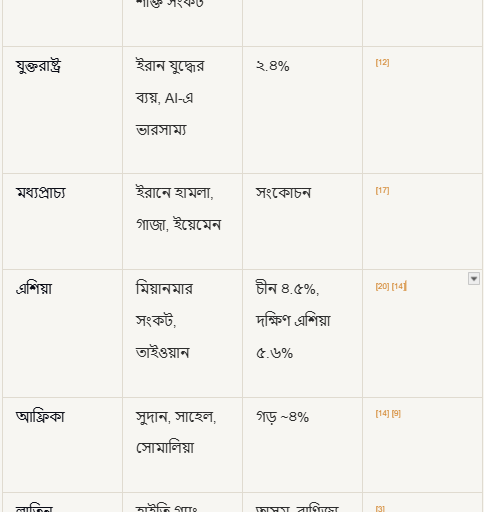
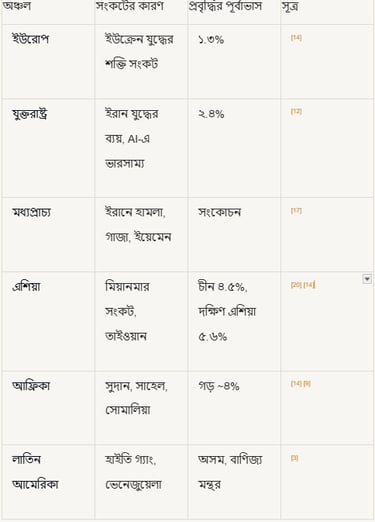
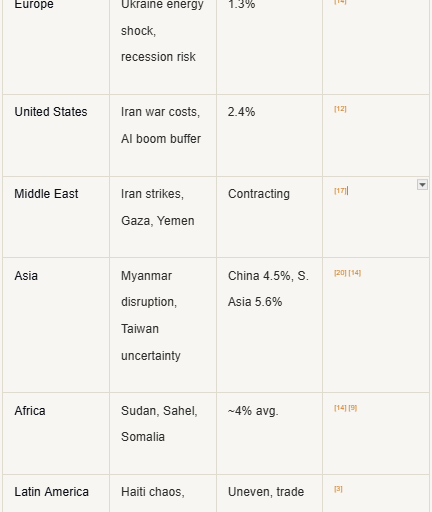
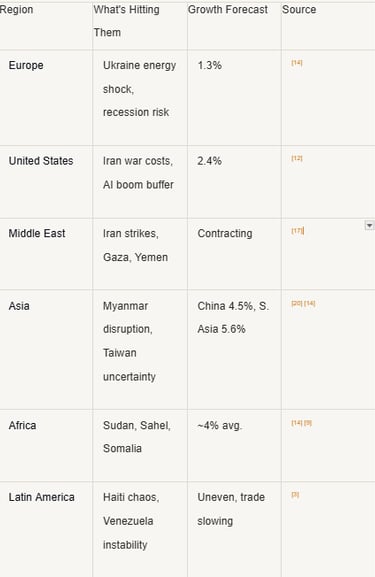
How Different Regions Are Holding Up
বিভিন্ন অঞ্চলের পরিস্থিতি
Reach out for query
Phone
Website built and maintained by:
My official Socials
Join my discord community
© 2026. All rights reserved.
Collaborate with me on
Lark Team collaboratOr